Definition Of A Router
Leave a message
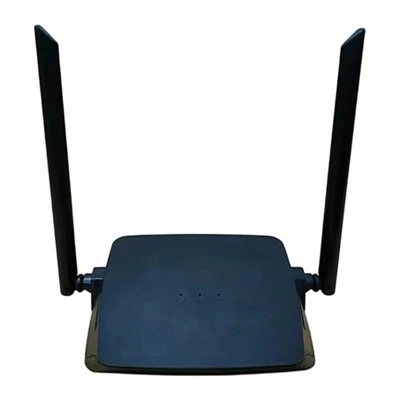
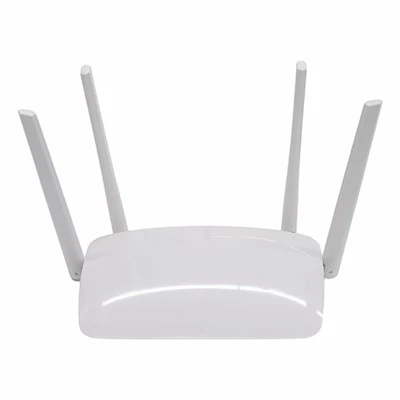
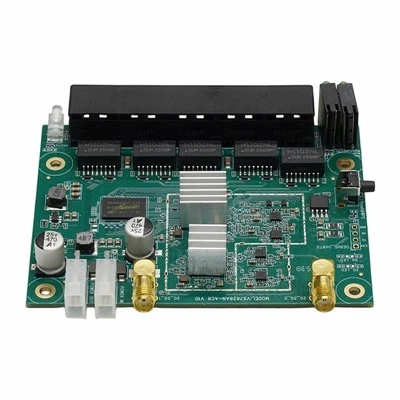
Routers can also be referred to as gateway devices. They perform network-layer (Layer 3) relay tasks within the OSI reference model, handling the storage and forwarding of data packets between distinct networks-specifically, networks that are logically separated. When data travels from one subnet to another, the router's routing function manages the process. In network communication, routers determine network addresses and select IP paths; they enable the construction of flexible connection systems across multiple network environments, linking subnets through various data packet handling and media access methods. Operating primarily at the network layer, routers accept information transmitted from source stations or other routers, serving as network-layer interconnection devices.
Since routers operate at the network layer, routing technology is inherently associated with that layer; routers differ significantly from early network bridges. Bridges generally have substantial limitations, as they can only connect networks with identical or similar data-link layer protocols and cannot link networks with significant differences at that layer. Routers, however, overcome this limitation by connecting any two distinct networks-provided they share the same network-layer protocol. Simply put, routing technology involves forwarding and exchanging the vast amount of information on a network, specifically by transmitting data from a source address to a destination address via an interconnected network. Routing technology has advanced considerably in recent years; notably, the advent of fifth-generation routers-capable of supporting integrated data, voice, and image applications-has led to their widespread adoption in home networks. Furthermore, as routing technology in my country has matured and integrated modern intelligent technologies, it has delivered faster, more efficient performance for users, thereby driving the development of the Internet and network technologies.