Core technologies of wireless modules
Leave a message
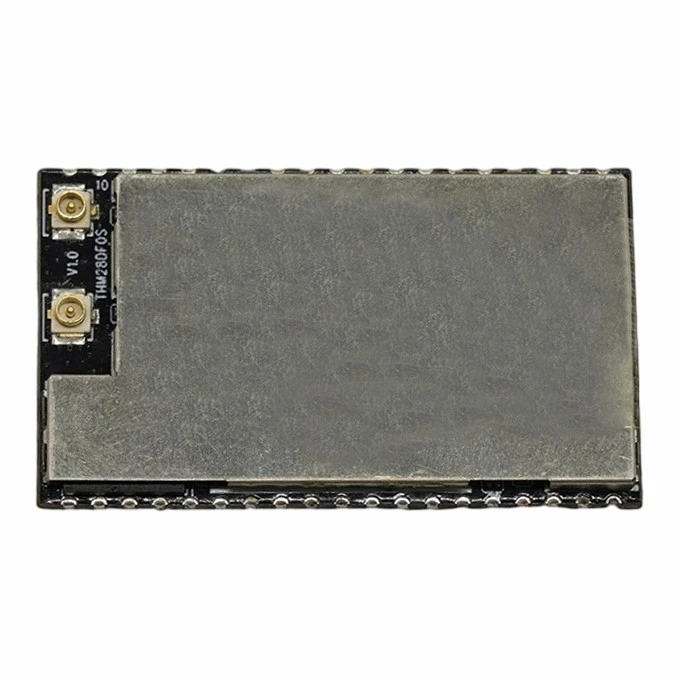
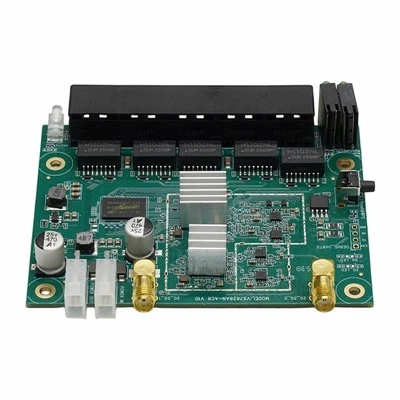
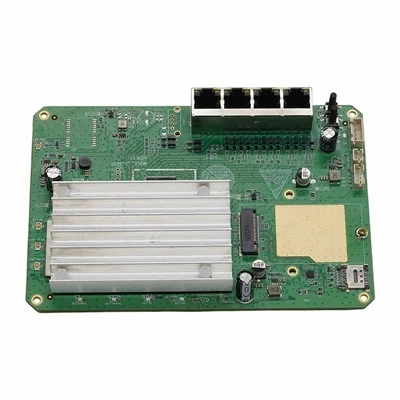
Wireless modules (modular digital data radio products) are professional data transmission devices built upon DSP and radio technologies, consisting of both receiver and transmitter units; common examples include the ESP32 and ESP8266. A specific model, the JTT-433-UDI embedded micro-power wireless data transmission module, operates in the 420–440 MHz range (with 1 kHz steps) and supports over 100 channels. It utilizes GFSK modulation, features a UART/TTL interface, offers an adjustable transmit power of up to 100 mW (8 levels) and a receive sensitivity of -116 dBm, and supports flexible online parameter configuration and transparent data transmission. Another typical product is the GE MDS EL-805 data radio module, which employs frequency-hopping spread spectrum (FHSS) technology and operates in the 902–928 MHz or 2.4–2.483 GHz ISM bands. It provides RS-232/RS-485/RS-422 interfaces, supports transmission rates up to 115.2 Kbps, and incorporates DSP-based digital signal processing technologies such as forward error correction (FEC) and adaptive equalization.
These devices facilitate data transmission between control terminals, the equipment itself, and the cloud, supporting RS-232/485 interface protocols and covering a wide operating frequency range from 230 MHz to 2.4 GHz. Wireless module technology continues to evolve; some products now integrate protocols like ZigBee to enable mesh networking capabilities, while application scenarios have expanded from traditional industrial control to fields such as drone communication, PLC control, and smart home systems.